
One of these holiday seasons is mentioned over 75 times in Scripture, speaks of our Messiah, was observed by Yahusha and His disciples, and is commanded to be kept in our generations, forever.
The other is called Easter.
“And this day shall become to you a remembrance. And you shall celebrate it as a festival to Yahuah throughout your generations – celebrate it as a festival, an EVERLASTING law.” – Exodus 12:14
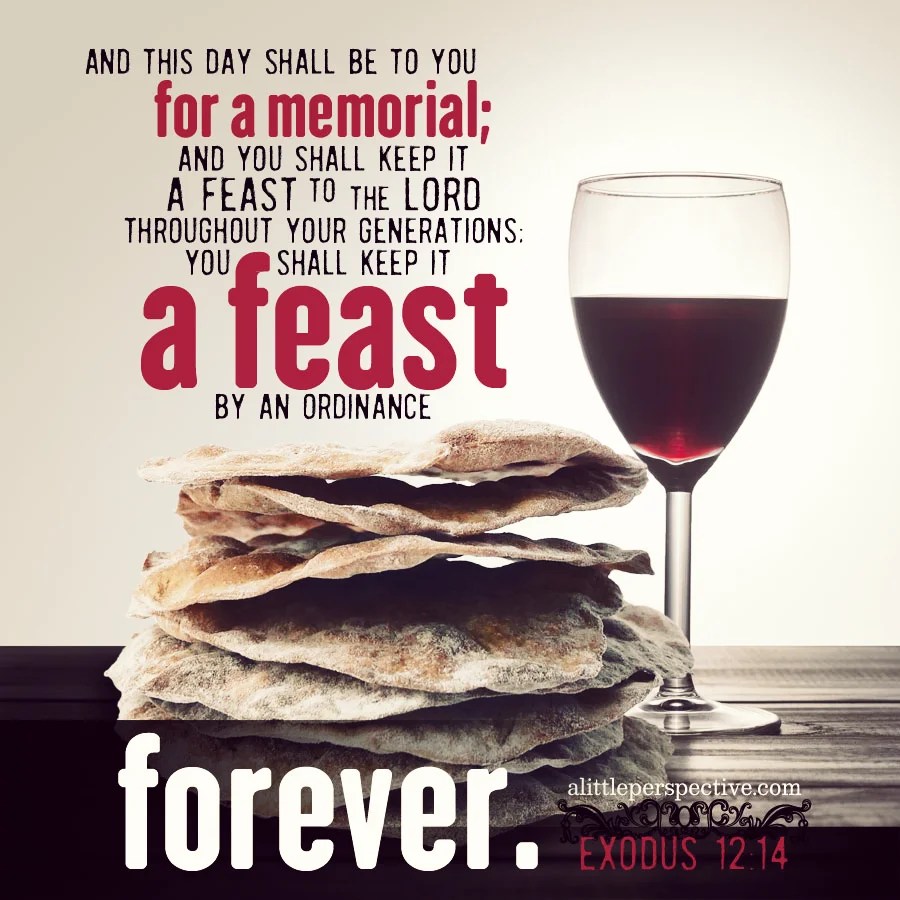
This is an eternal command to observe the Passover. But first, let’s discuss Easter.
Billions of people will observe the ancient festival of Easter in a few weeks. The origins of this holiday pre-date Yahusha Messiah. The ancient fertility diety that it commemorates has many names, including Ishtar (Babylonian), Astarte (Phoenician), Ashtoreth (Hebrew), Tammuz (Sumerian), Eastre (Anglo-Saxon), Ostara (German) and Aphrodite (Greek). These are well known among historians. Christians have incorporated many of their pagan practices into the worship of this season. Here are just a few:
- 40 days of weeping for Tammuz (Lent)
- Eggs and bunnies to represent fertility
- Hot cross buns to represent rebirth and the four elements of the earth
- An eastward sunrise service to honor the sun god
- Ham as a main course during the festival meal
“And He said to me, ‘You are to see still greater abominations which they are doing.’ And He brought me to the door of the north gate of the House of Yahuah, and I saw women sitting there, weeping for Tammuz.” – Ezekiel 8:13-14
“And He brought me into the inner court of the House of Yahuah. And there, at the door of the temple of Yahuah, between the porch and the slaughter-place, were about twenty-five men with their backs toward the temple of Yahuah and their faces toward the east, and they were bowing themselves eastward to the sun.” – Ezekiel 8:16
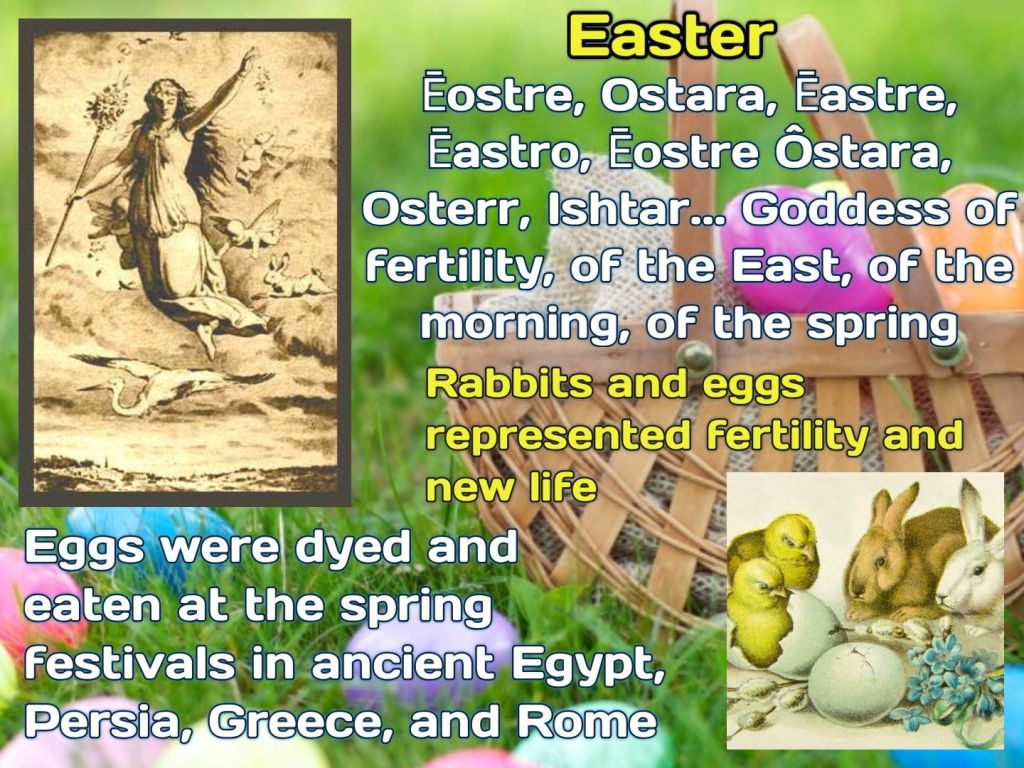
Ezekiel calls out these abominations, which have been unknowingly carried over into our worship. The prophet Jeremiah speaks of women baking cakes for the queen of the heavens (Ishtar). You can find this in Jeremiah 7.
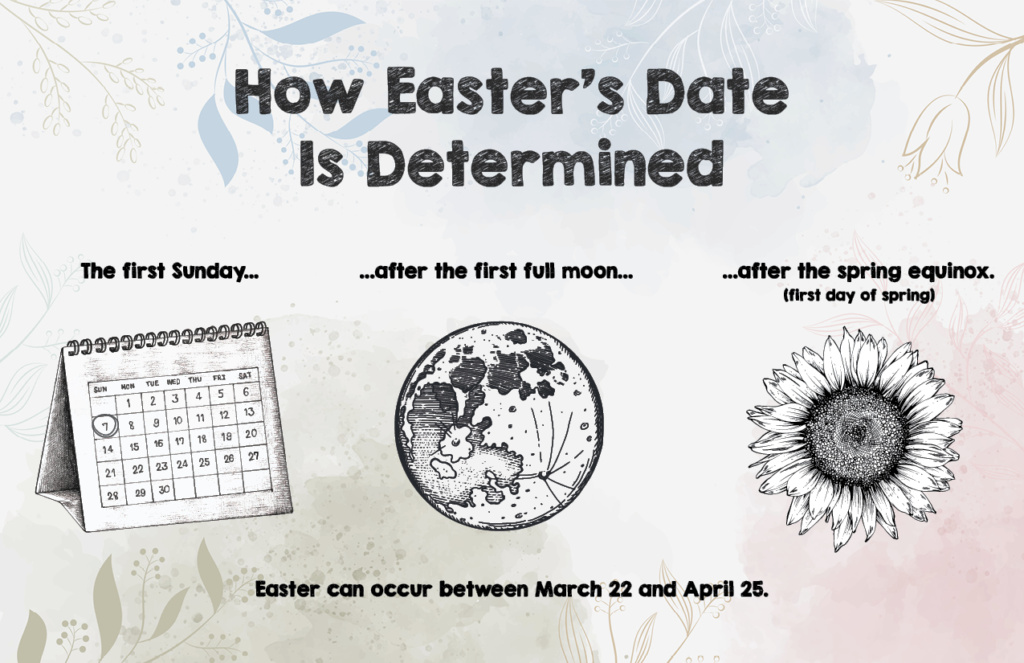
There are other pagan practices that we often incorporate, but these stand out among our current traditions. Easter also never falls on the actual day of the Passover. The Scriptural date of Passover is the 14th of the Hebrew month of Nisan (Aviv). But the early church fathers, attempting to move away from anything that appeared to represent the Hebrew faith, relocated it so that it never coincides with the actual Passover date. Instead, it is celebrated on the first Sunday after the first full moon following the vernal equinox.
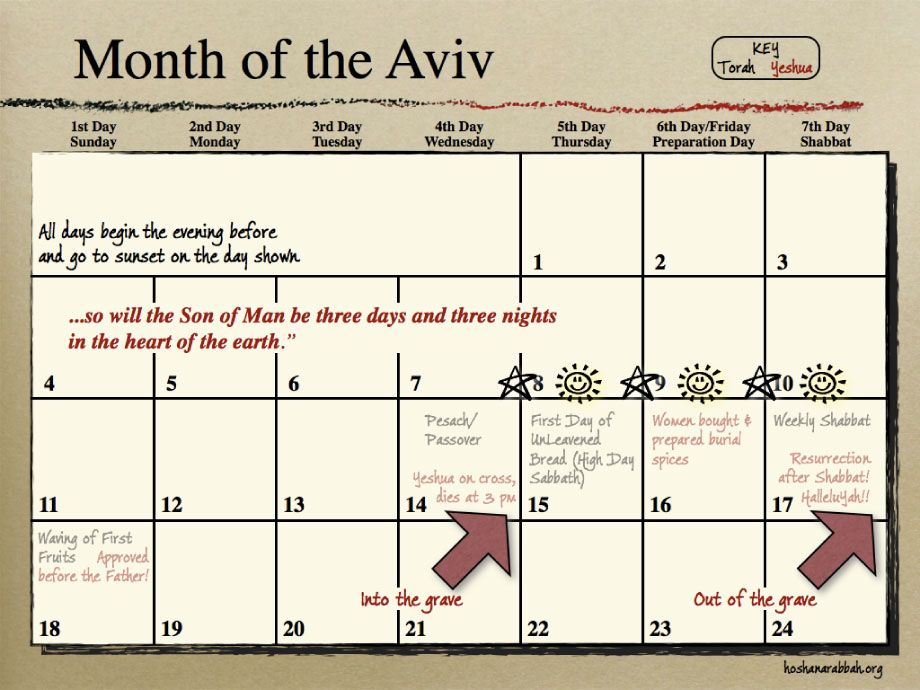
The institutional church celebrates the death on Friday evening and resurrection on Sunday morning. But that is less than 48 hours, and not in line with what the Messiah gives us as His only sign.
“For as Yonah was three days and three nights in the stomach of the great fish, so shall the Son of Aḏam be three days and three nights in the heart of the earth.” – Matthew 12:40
It is important to get the details right if we are to take Scripture seriously. Can you imagine the hypocrisy of telling someone that Messiah was to be in the belly of the earth for three days and three nights and then suggesting that it was Friday evening until Sunday morning? The Scriptures teach that Yahusha Messiah was killed on Passover and rose from the dead three days later on the Feast of First Fruits. In actuality, Yahusha did not even resurrect on a Sunday morning. The Scriptures teach that He was already risen while it was still dark! Which most likely, was at the end of the Sabbath evening (Saturday).
“And on day one of the week Miryam from Maḡdala came early to the tomb, while it was still dark, and saw that the stone had been removed from the tomb.” – John 20:1-2
None of the early believers in the Scriptures celebrated what we call Easter. The scriptures do not instruct us to meet on a Sunday morning to commemorate the resurrection of Messiah. And it is imperative to understand that true believers would not have eaten hot cross buns and ham or practiced what many call lent. These are all practices that the nations performed, that we have now incorporated into our worship of our Messiah.
The eternal commands of Passover and Feast of Unleavened Bread go against these practices. We are told to get rid of the leaven in our houses, which represents the sin in our lives. For seven days, we do not eat leavened products. And we definitely do not eat ham, which is an abomination to Yahuah. Yet for some reason, we have copied the ways of the nations, forgetting our Father’s instructions.
And although believers today are not directly worshipping these false gods, we have taken many of these pagan practices and put a Christian veneer on them. But is this correct? Should we be incorporating these pagan holidays and practices into our worship? What does Scripture say about that?
“Guard yourself that you are not ensnared to follow them, after they are destroyed from before you, and that you do not inquire about their mighty ones, saying, ‘How did these nations serve their mighty ones? And let me do so too.’” – Deuteronomy 12:30
“Thus said Yahuah, “Do not learn the way of the nations, and do not be awed by the signs of the heavens, for the nations are awed by them.’” – Jeremiah 10:2
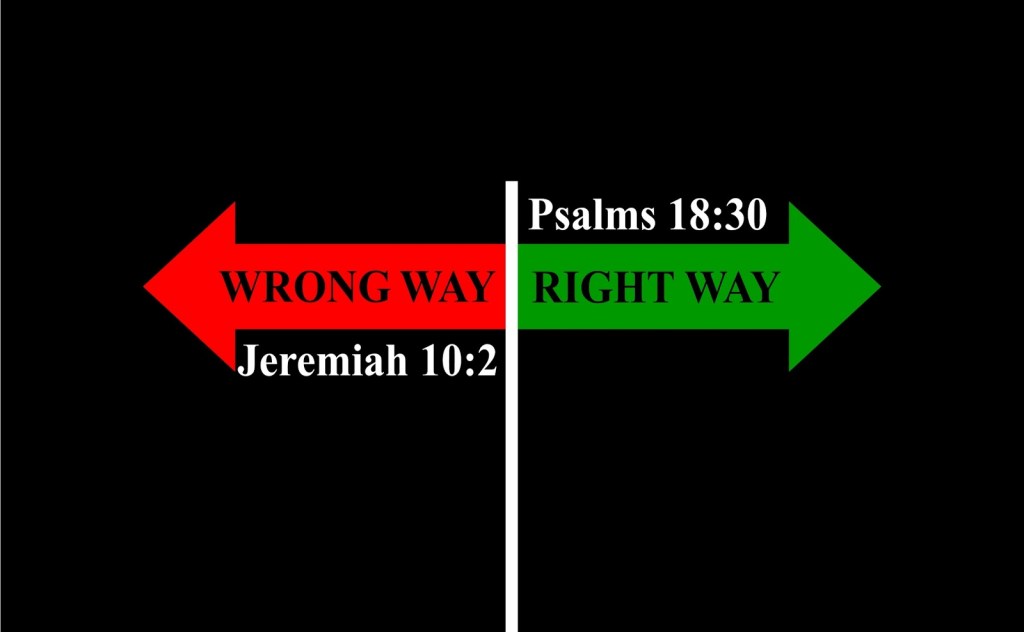
Many churches teach about the Passover, linking it to our Messiah. Yet, we are rarely taught to observe it, opting instead to follow in the way of the nations. Yet many believers are beginning to wake up to the Father’s instructions about HIS Appointed Times. The Passover Season (Passover, Unleavened Bread, and First Fruits) reminds us of His death, burial, and resurrection. The Father gave us eternal commands to observe them. And Paul, a faithful servant of the Messiah, reminds us how to rightfully keep them.
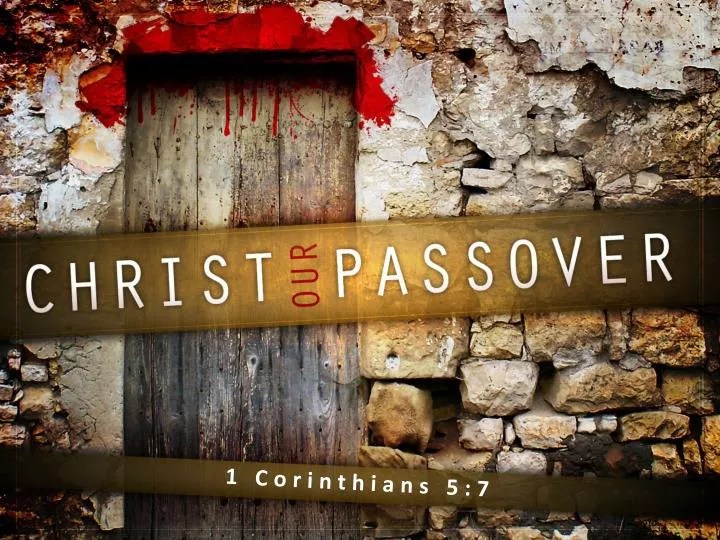
“Therefore cleanse out the old leaven, so that you are a new lump, as you are unleavened. For also Messiah our Passover was slaughtered for us. So then let us celebrate THE FESTIVAL, not with old leaven, nor with the leaven of evil and wickedness, but with the unleavened bread of sincerity and truth.” – 1 Corinthians 5:7-8
 FAITH IN MOTION